I didn’t plan to get interested in Nicaragua. It kind of crept up on me.
Someone mentioned a festival where people run through the streets dressed like devils, fireworks going off way too close for comfort, music everywhere… and nobody acting like it’s unusual. That image stayed in my head. So I started digging, reading travel forums, watching random clips, asking a few people who’d actually been.
And the more I looked into it, the more it felt like Nicaragua sits in that rare category—places that haven’t been overly packaged yet. Not untouched, but not overdone either. By 2026, it’s still in that sweet spot.
Festivals That Feel Messy (In a Good Way)
Nicaragua doesn’t “perform” its festivals neatly. They spill over. That’s the best way I can describe it.
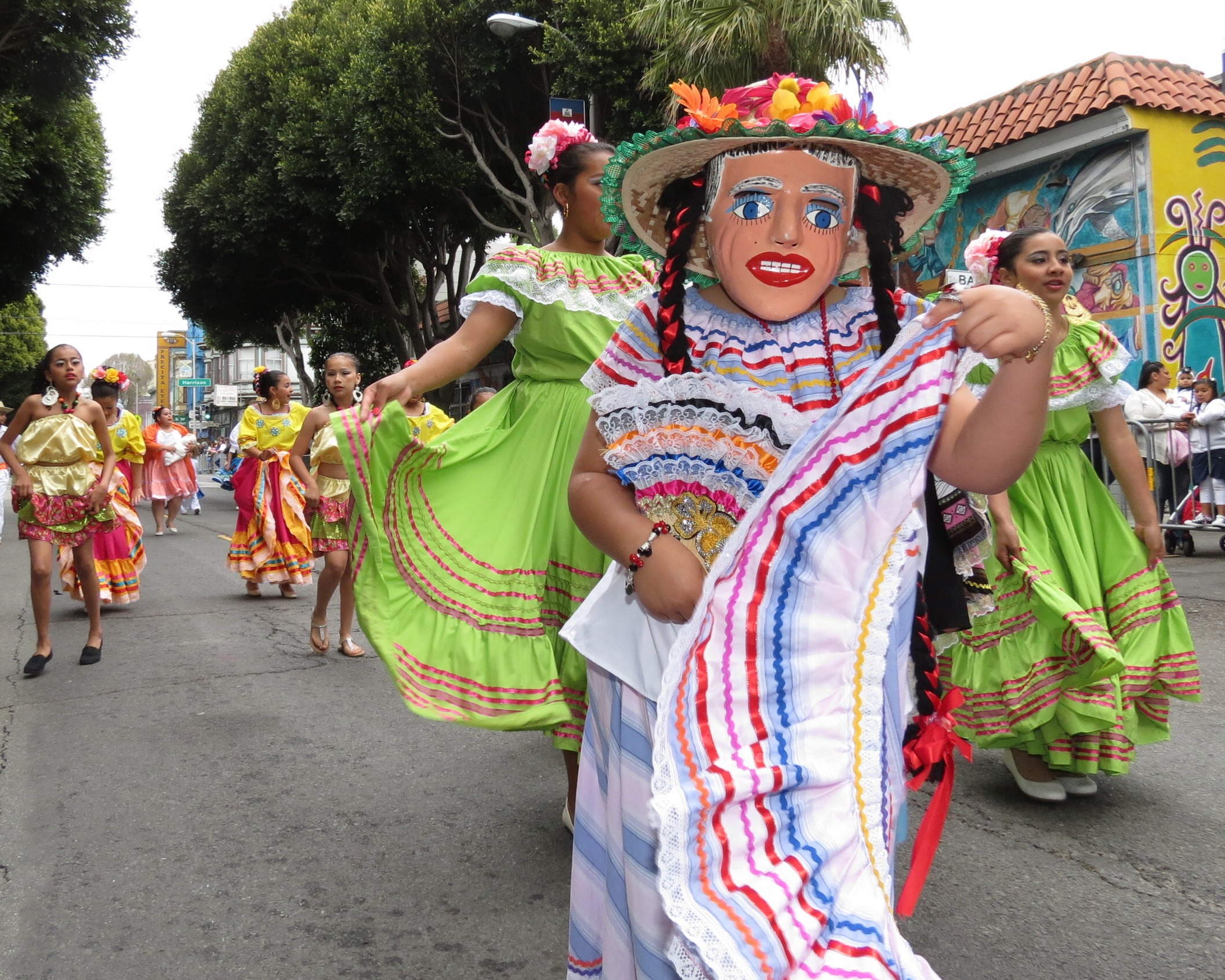
La Purísima in December is probably the one I’d plan around if I had the chance. It’s religious, yes, but also kind of chaotic. People go from house to house singing, and families hand out food, sweets, sometimes drinks. From what I’ve seen, León is where it gets loudest. Not in a polished way—more like everyone just joins in whether they meant to or not.
Then there’s San Sebastián in Diriamba. This one leans more traditional. Masked dancers, layered costumes, a mix of indigenous and Catholic elements. It’s not staged for photos. It’s actually happening, and you just happen to be there.
And El Güegüense—this one surprised me. It’s basically satire, performed through dance and theater, poking fun at colonial authority. It’s been around forever, and somehow still feels relevant.
Unique insight: What stood out to me is that these festivals aren’t really “scheduled experiences” for visitors. They’re community-first. You’re stepping into something that would happen whether you showed up or not.
Practical tip (most blogs don’t say): Don’t just stand and watch. If someone offers you food or pulls you into a group, go with it. That’s kind of the entry ticket. Also—carry small bills. People hand out things, but you’ll often want to buy snacks or drinks on the spot.
 Culture That Feels Lived-In, Not Designed
Granada looks like it belongs on a postcard. Bright buildings, colonial streets, horse carriages… it almost feels too perfect at first.
But then you stay a little longer, and it shifts. Evenings slow down. People sit outside their homes. Street vendors appear out of nowhere. It stops feeling like a “destination” and starts feeling like a place where people actually live.
León, on the other hand, has more edge. It’s not trying to charm you. There’s history there—political, artistic, a bit rebellious. Murals, student energy, louder opinions. If I had to choose, I’d probably spend more time in León. It feels less curated.
Food-wise, it’s simple but solid. Gallo pinto shows up everywhere, and somehow I don’t think I’d get tired of it. Add plantains, cheese, grilled meat—it’s filling, cheap, and consistent.
Unique insight: Nicaragua’s culture feels quieter than neighboring countries—not less rich, just less performative. You notice it more in small interactions than big attractions.
Practical tip: Eat where it looks busy with locals, even if it doesn’t look “nice.” A roadside comedor serving $3 plates will often beat a $12 tourist restaurant. Also, ask for “refresco natural”—fresh juice. It’s usually better than bottled drinks.
The “Secret Seasons” That Actually Matter
Most people think: dry season good, rainy season bad. But Nicaragua isn’t that simple.
December to April is the classic window. Good weather, easier travel. But also slightly higher prices, especially around holidays.
What I’d look at instead? Late May or early November. That in-between stretch.
You’ll get some rain, sure—but not all day. More like short, dramatic bursts in the afternoon, then cooler evenings. And everything turns green. Not just “nice green”—really alive.
Prices drop too. A hotel that’s $80 in peak season might go for $50–$60. Over a week, that adds up.
Unique insight: The rain actually improves the experience in some places—especially Ometepe. The island feels less dusty, more lush, and just… calmer.
Practical tip: Book places with hammocks or covered outdoor areas. When it rains, you don’t want to be stuck inside a room—you’ll want somewhere to sit and wait it out comfortably.
The Small Stuff You Don’t Plan For
This is the part I think people underestimate.
It’s not the big attractions that stick—it’s the random moments in between.
Like catching sunset near Lake Nicaragua and realizing everything just goes quiet for a minute. Or hearing music spill out from a bar you didn’t even notice earlier. Or buying fruit from a roadside stand and ending up in a 10-minute conversation you didn’t expect.
Those things aren’t on itineraries. But they’re the reason people talk about places like this the way they do.
Unique insight: Nicaragua seems to reward people who don’t over-plan. The less tightly you hold your schedule, the more it gives back.
Practical tip: Leave at least one “nothing planned” afternoon every couple of days. Not as a break—but as space for something unplanned to happen.
What I’d Personally Recommend
If I were putting together my own trip, I wouldn’t try to cover everything. That’s where people mess up.
I’d start in Granada—2 or 3 days, just to settle in. Walk around, get used to the pace.
Then I’d head to Ometepe Island. This is probably the spot I’d look forward to most. Two volcanoes rising out of a lake—it sounds unreal, and from what I’ve seen, it kind of is. I’d stay at least 3–4 days.
Then I’d finish in León. Maybe 4 or 5 days there. Enough time to explore, but also just hang out.
And yeah, I’d try volcano boarding at Cerro Negro. It looks slightly insane, but also like one of those “you’ll regret skipping it” things.
Rough budget (from what I’ve gathered):
- Meals: $3–$7 locally
- Hotels: $40–$80 mid-range
- Transport: $5–$20
Unique insight: León works better at the end of the trip, not the beginning. It’s a bit rougher, more intense—you appreciate it more once you’ve eased into the country.
Practical tip: When heading to Ometepe, take the earlier ferry. Afternoon ones are more likely to get delayed, and you don’t want to arrive on the island after dark your first time.
Mistakes to Avoid
A few things stood out from people’s experiences:
Trying to do too much, too fast. Nicaragua isn’t huge, but travel takes time. Roads aren’t always smooth, buses stop often.
Only sticking to “safe” areas. You’ll miss the real feel if you never step outside the obvious spots.
Underestimating the heat. It’s not just warm—it can be draining.
Expecting everything to be seamless. It won’t be. And that’s kind of the point.
Unique insight: The biggest mistake isn’t logistical—it’s mindset. If you expect perfection, you’ll notice flaws. If you expect real life, you’ll notice character.
Practical tip: Carry a small daypack with water, sunscreen, and cash every day. ATMs aren’t always where you expect, and card payments aren’t guaranteed.
Quick Travel Workflow
If I had to simplify how I’d approach it:
Step 1 – Fly into Managua
Don’t linger too long—head out to Granada or León the same day if possible.
Step 2 – Start Slow (Granada)
Walk, eat, adjust. Don’t overbook activities right away.
Step 3 – Move Midway (Ometepe or León)
Book transport a day ahead. Stay flexible.
Step 4 – Mix Your Days
Do something active, then follow it with something slow. Keeps the trip balanced.
Step 5 – Catch a Festival (If You Can)
Even one will change how you see the country.
Step 6 – Leave Space
Not everything needs to be planned. Actually, better if it’s not.
Unique insight: The “flow” of your trip matters more than the number of places you visit.
Practical tip: Screenshot maps and bookings offline. Internet can be unreliable, especially when moving between towns.
Final Thoughts
Nicaragua feels like travel before everything became overly polished.
It’s not trying to impress you. No one’s smoothing the edges for your comfort. And weirdly, that’s what makes it work.
If I went, I wouldn’t go expecting perfection. I’d go expecting a bit of unpredictability, some rough edges, and a few moments that don’t quite fit into a plan.
And honestly, those are usually the trips that stay with you longer anyway.