

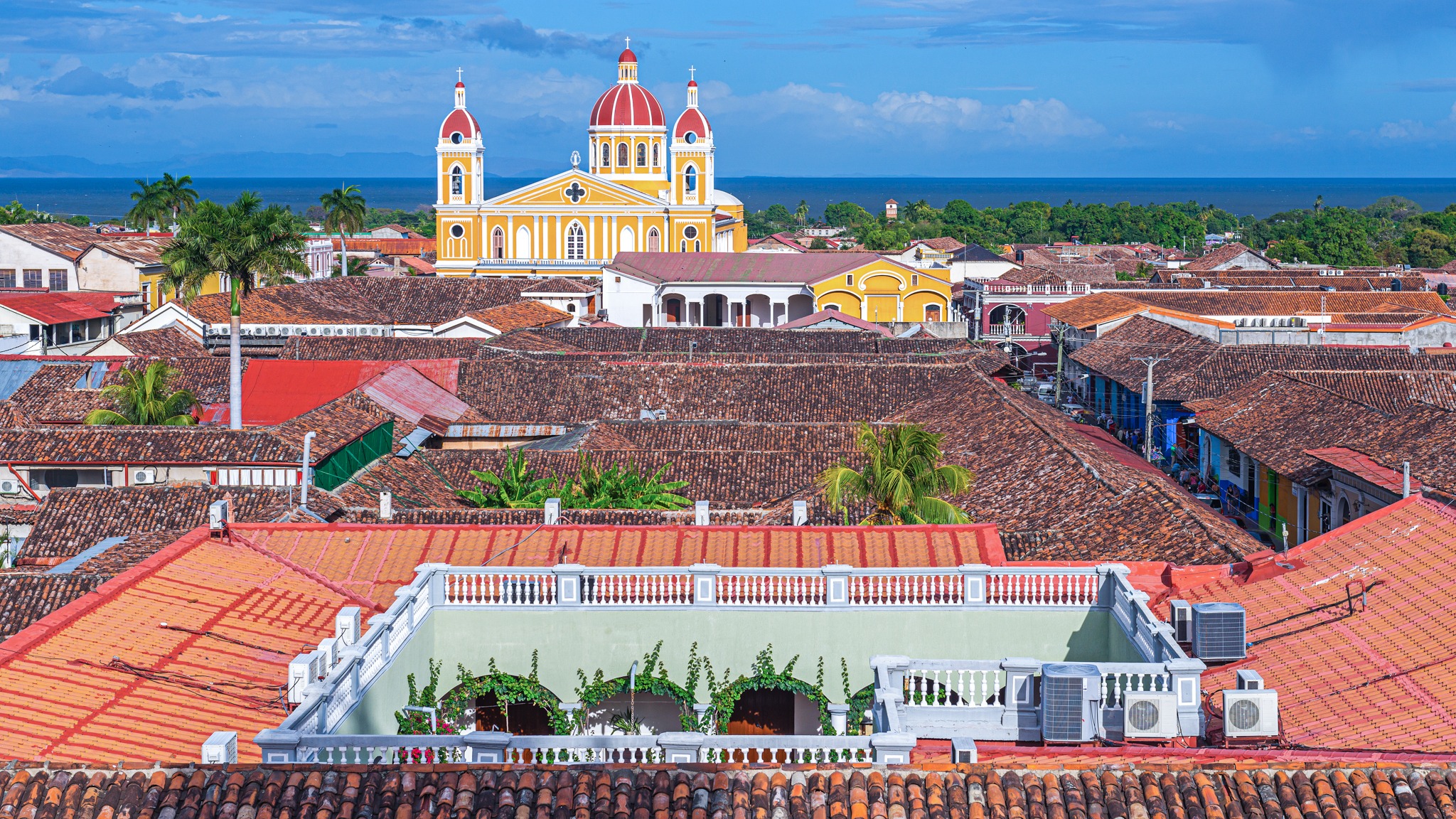

I remember the exact moment Central America stopped feeling like a “trip” and started feeling… personal.
It wasn’t anything dramatic. No big landmark, no perfect sunset. I was just sitting in the back of a cramped shuttle somewhere between towns I couldn’t pronounce properly yet. The road was bumpy, my bag was half open, and a lady next to me kept offering me slices of mango like we’d known each other for years.
That’s when it clicked. The real Central America isn’t in the highlight reels. It’s in those messy, in-between moments that don’t look impressive but somehow stay with you.
If I were planning it all over again, I wouldn’t chase the popular spots first. I’d go straight for the quieter corners—and build everything around that.
The Quiet Power of “Less Famous” Places
Places like León or smaller towns around Lake Atitlán don’t try to impress you—and that’s exactly why they work.
León, for instance, feels raw. It’s hot, a bit chaotic, and full of movement. You’ll see people actually living their lives, not performing for tourists. And weirdly, that makes you feel more like a participant than an observer.
At Lake Atitlán, most people rush to one village, take photos, and move on. But from what I’ve seen (and what I’d do now), the real experience is staying in at least two different villages. San Marcos feels almost spiritual and quiet, while Panajachel is louder, more practical, a bit messy—but useful.
Unique insight: The “vibe shift” between nearby towns in Central America is stronger than you’d expect. Two places 20 minutes apart can feel like completely different countries.
Practical tip (most blogs won’t tell you): When you arrive somewhere like Atitlán, don’t book multiple nights immediately. Walk around first. Some guesthouses look great online but feel off in person—bad airflow, noisy neighbors, or just a weird energy.
Getting Around Isn’t Always Smooth (And That’s Kind of the Point)
Transport here… yeah, it’s not luxury.
You’ll deal with chicken buses, delays, drivers who overtake like it’s a video game. But honestly, that chaos becomes part of the memory.
I used to think I had to “do it local” every time to get the full experience. Now? I’d balance it better.
- Chicken buses for short trips (cheap, like $2–$5, and honestly entertaining)
- Shared shuttles for longer distances ($25–$40, saves time and sanity)
- The occasional private ride when you’re just tired and done
Unique insight: The way you travel between places actually shapes how you remember them. A stressful 8-hour bus ride can make a beautiful destination feel less enjoyable.
Practical tip: Sit near the front of chicken buses if you can. Less heat, fewer sudden stops, and you’re closer to the exit—which matters more than you’d think when everyone’s getting off at once.
Food That Feels Simple… But Isn’t
Central American food isn’t flashy, but it sneaks up on you.
The first time I had gallo pinto, I thought, “Okay, rice and beans.” By the third time, I was actively craving it. Same with pupusas—especially in El Salvador. They’re cheap (like $1 each), filling, and way better than they have any right to be.
One thing I didn’t expect? How consistent the food feels. Not in a boring way—but in a comforting way. Like every meal has a bit of history behind it.
Unique insight: Meals here aren’t rushed. Even street food has a rhythm to it. Watching how food is prepared is part of the experience.
Practical tip: If you see a place where locals are waiting, not just eating—join that line. That’s usually a better signal than reviews or Google ratings, especially in smaller towns.
Also, carry small cash. Not just for paying—but for avoiding that awkward moment when someone can’t break a big bill.
Nature That Doesn’t Feel Designed for You
This region doesn’t ease you into nature. It kind of throws you into it.
Volcanoes, jungles, random waterfalls—you don’t need a luxury setup to access any of it.
In Nicaragua, you can hike a volcano for under $30. Around Lake Atitlán, you’ll find viewpoints that aren’t marked on any map. You just kind of… stumble into them.
And yeah, volcano boarding is a thing. It sounds ridiculous, and it kind of is—but I’d still try it once.
Unique insight: The best nature spots here often aren’t labeled or “protected” in the way you’d expect. You find them through conversations, not search engines.
Practical tip: Ask hostel staff where they go on their day off. Not what they recommend to tourists—what they personally do. That’s how you find the quieter spots.
Also, always carry a bit more water than you think you need. The heat hits differently here.
The People Make Everything Feel Warmer
This part is harder to explain, but it’s probably what stays with you the longest.
People are open—but not in a forced, touristy way. It’s casual. Natural. You might start talking to someone just because you’re both waiting for the same bus.
And if you make even a small effort with Spanish, everything changes. Even something simple like “gracias” or “buenos días” shifts how people respond to you.
Unique insight: Respect shows more in how you act than what you say. People notice patience more than perfect language.
Practical tip: Learn numbers in Spanish. Not just greetings. It helps with prices, transport, and honestly saves you from being overcharged sometimes.
What I’d Personally Recommend
If I were doing this again, I wouldn’t try to “complete” Central America.
That’s where a lot of people go wrong.
I’d pick a simple route:
- Start in Guatemala
Spend real time at Lake Atitlán. Try San Marcos for quiet, then maybe Santa Cruz for balance. - Move to Nicaragua
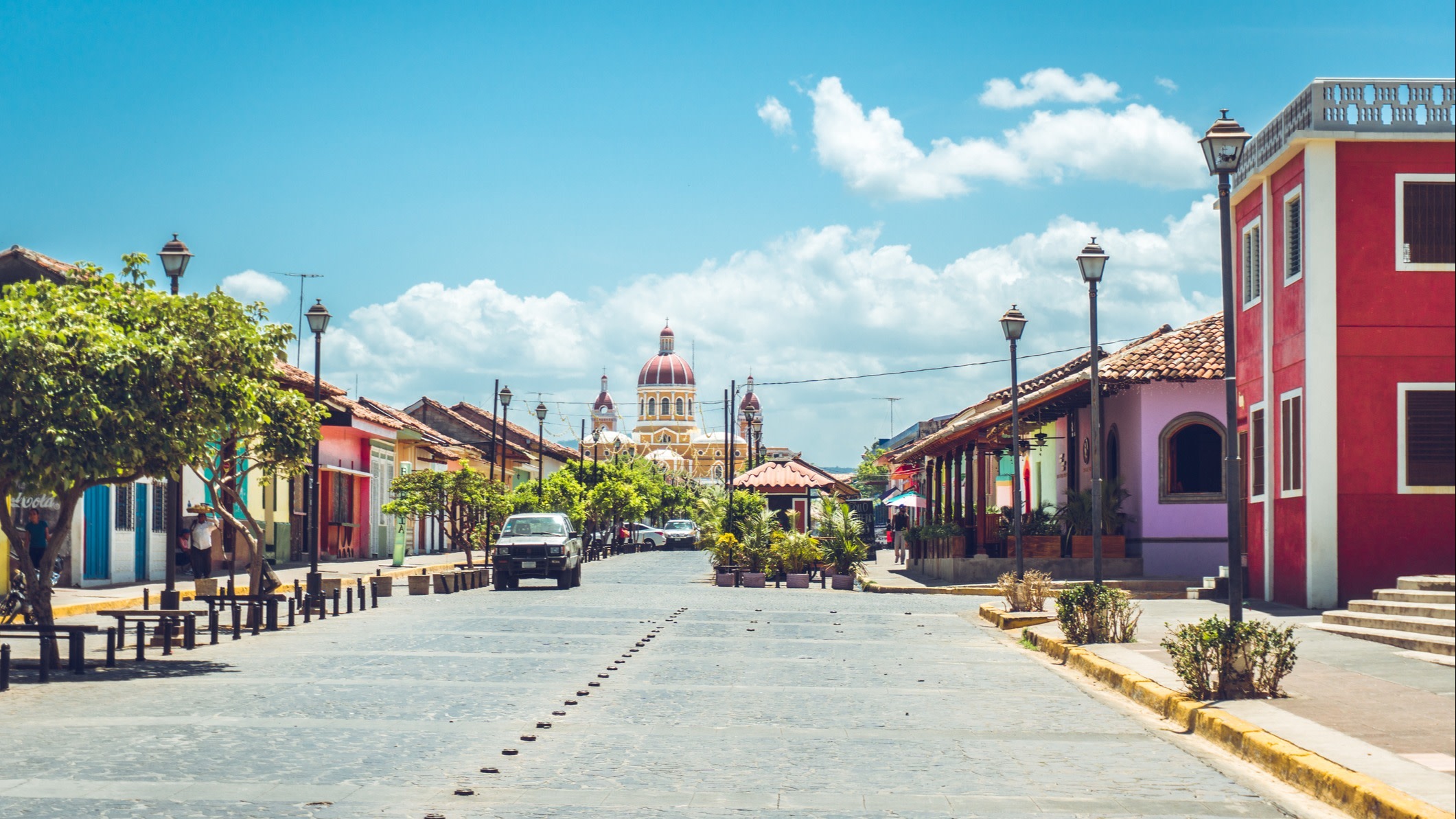
León for energy and adventure. Granada if you want something slower and more colorful. - Add El Salvador if you can
It’s underrated, cheaper, and feels less crowded overall.
I’d also stay in smaller guesthouses instead of big hotels. Not because it’s cheaper (though it often is), but because you end up talking to people more—owners, other travelers, even neighbors.
Unique insight: The places you stay shape your experience more than the places you visit.
Practical tip: Check if your accommodation has a shared kitchen—even if you don’t plan to cook. That’s usually where conversations happen.
Mistakes to Avoid
I’ve either made these or come very close:
Trying to do too much
Distances look short, but travel takes longer than expected.
Moving too often
You end up remembering buses more than places.
Ignoring local advice
If someone says avoid a certain area at night—just listen.
Sticking only to “safe” tourist zones
You’ll miss the actual culture.
Unique insight: Most travel stress here comes from overplanning, not underplanning.
Practical tip: Always screenshot directions, bookings, and maps. Internet isn’t always reliable, and you don’t want to be stuck figuring things out mid-journey.
Quick Travel Workflow
This is roughly how I’d approach it now—nothing fancy, just practical:
Step 1: Choose 2–3 countries
Keep it simple. Depth > variety.
Step 2: Book your first 2–3 nights
Just enough to land and settle.
Step 3: Figure out transport locally
Hostels often know better than the internet.
Step 4: Pack lighter than you think
You’ll thank yourself every time you move.
Step 5: Carry both USD and local currency
Some places prefer one over the other.
Step 6: Stay flexible
If a place feels right, stay. If not, move on.
Unique insight: The best decisions usually happen mid-trip, not before it.
Practical tip: Travel early in the day whenever possible. Afternoon transport is more likely to be delayed—and arriving somewhere new at night isn’t always ideal.
Final Thoughts
Central America isn’t polished. It’s not trying to be.
And that’s kind of the whole point.
Things don’t always go as planned. Buses run late. Plans change. You get a little uncomfortable sometimes.
But then something small happens—a conversation, a view, a random meal—and it balances everything out.
If I’m being honest, I wouldn’t even try to plan it perfectly. I’d just go with a loose idea, stay open, and let things unfold a bit.
Because the parts you remember most?
They’re usually the ones you didn’t plan at all.

Great effort on this post.
Glad that helped