I didn’t set out to make this some deep, reflective road trip.
It actually started pretty casually—one of those restless nights where you’re tired of the same routine but not quite sure what you want instead. I remember opening my maps, zooming out, and thinking… what’s out there that people don’t talk about much?
Not the big-name places. Not the ones that show up in every Instagram reel. Just… quieter stuff.
That’s how this whole 2026 road trip idea came together. Less planning, more curiosity. And honestly, a bit of trial and error.
The Places That Don’t Try to Impress You
Some of my favorite stops weren’t impressive at first glance.
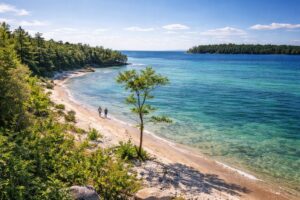
There was this one spot—I almost drove past it. No sign, no proper parking, just a narrow opening between trees. If I hadn’t double-checked my offline map, I would’ve assumed it was nothing.
But about 15–20 minutes in, the trail opened up into this wide stretch of land with a view that felt… untouched. Not dramatic, not “wow” in the usual way. Just calm. Still.
And I stayed there way longer than I planned.
What I noticed: the quieter places tend to grow on you slowly. They’re not trying to grab your attention in the first five seconds, and that’s exactly why they stick.
One thing I’d do again: if a place feels underwhelming at first, give it at least 10–15 minutes. Some locations reveal themselves gradually.
Small tip most people don’t mention: check satellite view before you go. Not just directions—actually zoom in. You’ll sometimes spot clearings, rivers, or paths that aren’t labeled anywhere.
Driving Without That Constant Rush
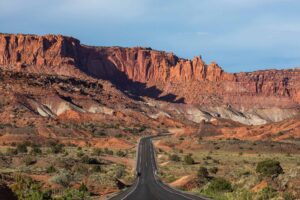
I used to treat road trips like a checklist. Wake up, hit 4–5 spots, keep moving.
This time, I slowed it down. Not perfectly—I still had moments where I tried to squeeze too much in—but overall, I gave myself space.
There were days I only visited one location. And weirdly, those were the days I remembered most.
Fuel added up (I was averaging maybe $70 every couple of days depending on distance), but I wasn’t wasting energy rushing around anymore.
What changed for me: I stopped asking “how many places can I fit in?” and started asking “is this place worth staying longer?”
That shift alone made the trip feel less like work.
Practical tip: keep a “soft cutoff time” for driving—mine was around 4:30 or 5pm. After that, I stopped chasing new spots. It made evenings less stressful and gave me time to actually enjoy where I was.
Specific recommendation: if you’re using Google Maps, drop pins during the day for places you might want to return to later. I ended up revisiting two spots just because I marked them earlier.
Trails That Actually Feel Remote
I’ll be honest—finding truly quiet trails is getting harder.
A lot of places labeled “hidden gems” aren’t hidden anymore. You show up and there’s already a small crowd setting up cameras.
So I changed how I searched.
Instead of looking for “best trails,” I started digging into older blog posts, random forums, even map reviews from like 3–5 years ago. That’s where the real stuff is.
One trail I found had almost no recent mentions. Getting there involved a rough dirt road, and at one point I genuinely thought I missed the turn.
But when I arrived? No one. Just the trail, the sound of wind, and that slightly eerie quiet you only get in places people don’t visit often.
My take: if getting there feels slightly inconvenient, that’s usually a good sign.
Practical tip: bring a small offline compass app (or even a physical one). GPS can glitch in remote areas, and having a basic sense of direction helps more than you’d think.
Specific recommendation: look for trails rated “moderate” but with low review counts. Easy trails get crowded. Extremely hard ones aren’t always enjoyable. That middle ground is where the magic usually is.
Where I Stayed (And What I’d Do Differently)
I didn’t stick to one type of place.
Some nights were budget stays—around $25–$40. Nothing fancy, but decent enough to rest. Other times I paid closer to $80–$120 when I needed comfort.
And yeah… a few nights didn’t go as planned.
I remember arriving in a small town thinking I’d easily find a place. Everything was booked. No signal. That’s how I ended up sleeping in my car.
Not as fun as it sounds.
What I learned the hard way: remote doesn’t mean available. Sometimes it’s the opposite.
One thing I’d change: I’d call ahead more. Not everything is online, especially in smaller areas.
Practical tip: save at least one accommodation contact number per area—not just the location. If booking apps fail, calling directly can save you.
Specific recommendation: if you’re unsure about a place, check recent reviews specifically mentioning water pressure and electricity. Sounds random, but those two things made a big difference in comfort.
Food Stops That Surprised Me
I stopped trusting ratings after a while.
Some of the best meals I had weren’t on any “top 10” list. Just small places with a few plastic chairs, or spots where you had to ask what they were even serving.
One meal cost me less than $5, and I still think about it.
No menu. No branding. Just good food.
What stood out: places that don’t try to appeal to tourists often have better, more honest food.
My approach: if I see locals eating there—and staying there—I’m in.
Practical tip: go slightly outside peak hours (like 2–4pm). You’re more likely to get fresher food and actual attention from whoever’s cooking.
Specific recommendation: if you’re unsure what to order, ask for “what you’d eat yourself.” It sounds simple, but it works surprisingly well.
What I’d Personally Recommend
If I were doing this again—and I probably will—I’d keep things simple.
Not empty, just flexible.
Pick a direction, not a strict route.
Wake up early (that part really matters), and don’t rush the first place you visit. Mornings feel different. Quieter, softer.
Also, I’d talk to more people.
Some of the best spots I found came from random conversations. A shop owner pointing somewhere on a map. Someone casually mentioning a place “not too far from here.”
Those moments? You can’t plan them.
One insight I didn’t expect: the trip got better the more I let go of needing it to be “productive.”
Practical tip: keep a small note on your phone of places locals mention. Even if you don’t visit immediately, you’ll have options later.
Mistakes to Avoid
I made quite a few. Some small, some… slightly annoying.
Trying to do too much in one day was probably the biggest one. It sounds efficient, but it just makes everything feel rushed.
I also underestimated weather. One trail turned into a muddy mess because I didn’t check conditions properly.
And yeah, I relied too much on popular platforms at first. That’s where everyone goes.
What I’d say honestly: not every mistake ruins the trip—but some make it unnecessarily stressful.
Practical tip: always have a “Plan B spot” for each day. Not a full plan—just one backup location in case your main one doesn’t work out.
Specific mistake I’d avoid again: arriving at new places after sunset. Everything feels harder when it’s dark—navigation, safety, even finding food.
Quick Travel Workflow
This is roughly how I’d approach it now, based on everything I learned (and messed up).
1. Pick a region, not exact stops
Somewhere with variety—nature, small towns, open roads.
2. Choose 3–5 anchor points
Places you genuinely don’t want to miss.
3. Do light, intentional research
Older sources, forums, map reviews—not just trending content.
4. Download offline everything
Maps, key locations, even screenshots.
5. Start early
It gives you room to adjust.
6. Stay flexible during the day
Detours are part of it.
7. Settle accommodation before evening
Trust me on this one.
8. Adjust daily
Each day teaches you something new about how you travel.
One extra thing I’d add: leave at least one day completely unplanned. No anchors, no expectations. Those days tend to surprise you.
Final Thoughts
If you’re thinking about doing something like this, I’d say go for it—but don’t try to make it perfect.
It won’t be.
You’ll take wrong turns. You’ll miss things. Some places won’t live up to what you expected.
But then you’ll find something you didn’t expect at all—and that’ll make up for everything else.
Personally, I’d choose that kind of trip over a perfectly planned one any day.
The hidden stuff… the quiet trails, the random stops, the places that don’t show up unless you really look—that’s where it all happens.
And yeah, it’s not always smooth.
But it’s real.