How Culture Shapes Our Lives: Exploring Food, Festivals, and Traditions
Culture is the invisible thread that shapes how people live, communicate, celebrate, and express themselves. From the meals shared at family tables to the festivals enjoyed with communities, cultural traditions carry the essence of history, values, and identity. Across the globe, food and celebrations serve as powerful symbols of belonging and connection, highlighting the richness of human diversity.
Understanding different cultures through their cuisines and festivals is more than just learning recipes or attending events—it builds respect, empathy, and global awareness.
The Role of Culture in Everyday Life
Culture influences daily habits, social behavior, and personal values. It shapes how people greet one another, prepare meals, raise families, and mark important life events.
Food and festivals are among the most visible expressions of culture. They bring people together, strengthen traditions, and pass knowledge from one generation to the next. By exploring these elements, we gain insight into how societies function and what they value most.
Food as a Cultural Identity
Food is more than nourishment. It reflects history, geography, religion, and community values, serving as a window into a culture’s identity.
Traditional Ingredients and Local Resources
Cuisines develop based on climate, geography, and available natural resources. Coastal regions rely heavily on seafood, while agricultural areas emphasize grains, vegetables, and locally grown produce. These ingredients shape distinctive flavors, cooking methods, and culinary identities that distinguish one region from another.
Religious and Spiritual Influence on Diet
Many cultures observe dietary rules tied to religious or spiritual beliefs. Some avoid certain foods, others observe fasting periods, and some follow specific preparation rituals. These practices connect food with spirituality and moral values, often forming the backbone of cultural celebrations and daily routines.
Family Recipes and Generational Knowledge
Recipes are passed down through generations, carrying emotional and cultural significance. Cooking techniques, spice combinations, and presentation styles are preserved within families, helping to maintain heritage and strengthen bonds between generations.
Eating Customs and Social Etiquette
How people eat reflects cultural norms and social values. Table manners, utensil use, seating arrangements, and serving orders often symbolize respect for elders and community harmony. In many societies, shared meals promote conversation, cooperation, and deeper interpersonal connections.
Festivals as Cultural Expressions
Festivals mark important religious, historical, and seasonal events. They serve as living records of collective memory and shared beliefs, offering a glimpse into what communities cherish most.
Religious Celebrations
Many festivals originate from spiritual traditions, incorporating prayer, rituals, and symbolic acts that express gratitude and faith. Examples include Diwali in India, Ramadan celebrations in Muslim-majority countries, and Christmas in Christian communities. These events strengthen moral values, reinforce community identity, and bring people together in meaningful ways.
Seasonal and Agricultural Festivals
Some celebrations honor harvests, rain cycles, or natural seasons. Agricultural festivals such as Thanksgiving in the United States or Pongal in South India reflect respect for nature, survival, and community cooperation. They demonstrate the enduring connection between humans and the environment.
National and Historical Holidays
Independence days, liberation anniversaries, and historical commemorations celebrate identity, resilience, and shared history. Such events foster national pride, unity, and a sense of belonging.
Music, Dance, and Performance in Celebrations
Artistic performances are often central to festivals. Traditional music, dance, and theatrical displays tell stories of ancestors, heroes, and cultural milestones. Participating in these activities reinforces cultural confidence, preserves history, and strengthens communal identity.
Clothing and Symbols in Cultural Events
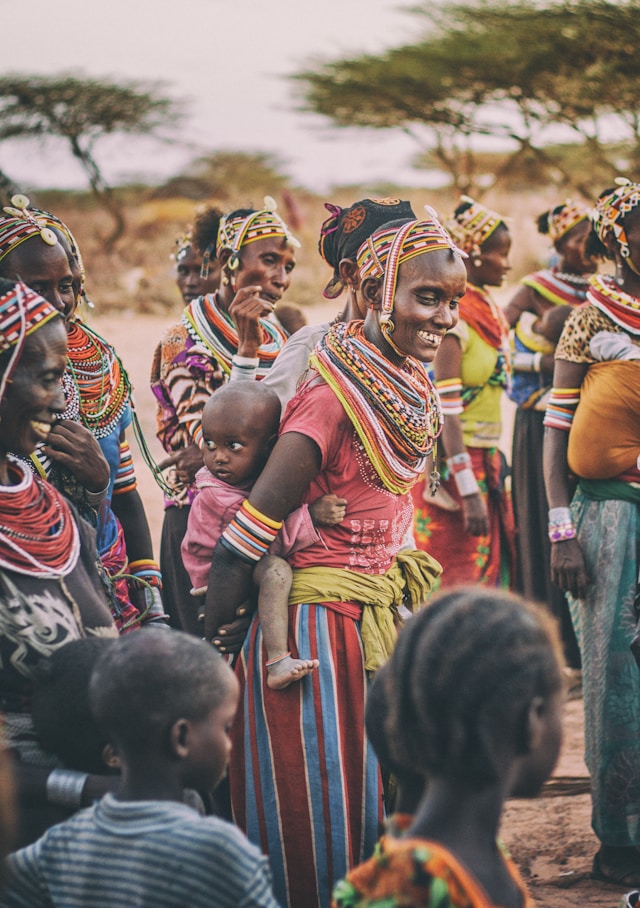
Festivals showcase traditional attire and symbolic decorations. Colors, patterns, and accessories often represent spiritual meanings, social status, or regional heritage. Wearing traditional clothing expresses pride and respect for cultural values, while decorations create a vibrant, unified atmosphere that highlights cultural identity.
The Role of Food in Festivals
Food is integral to most celebrations. Special dishes are prepared exclusively for festivals, carrying symbolic meanings such as prosperity, purity, or renewal. Sharing festival meals fosters gratitude, unity, and enjoyment, transforming food into a form of celebration itself.
Cultural Exchange Through Cuisine and Festivals
Globalization has increased cross-cultural interaction, allowing people to experience a diversity of traditions worldwide.
Fusion Cuisine and Modern Adaptations
Many cultures now blend cooking styles and ingredients, creating fusion dishes that reflect creativity and cross-cultural influence. These adaptations keep traditions alive while embracing innovation and change.
International Festivals and Cultural Events
Multicultural cities host global festivals where communities share food, music, and art. Events such as the Lunar New Year parades, international food fairs, and world music festivals promote understanding, friendship, and cultural appreciation.
Learning Through Travel and Experience
Travel provides firsthand exposure to cultural traditions. Visiting local markets, attending festivals, and sharing meals with residents offer authentic experiences that deepen appreciation and reduce stereotypes. Responsible tourism supports cultural preservation while creating meaningful cultural exchanges.
Challenges to Cultural Traditions
Modern lifestyles sometimes threaten traditional practices. Fast food, urbanization, and digital media can weaken local cuisines and festival observances. Younger generations may lose interest in heritage, making preservation a communal responsibility. Education, family involvement, and community initiatives are essential for balancing tradition and progress.
The Role of Education in Cultural Understanding
Schools and cultural programs play a vital role in preserving traditions. Teaching students about global cuisines, festivals, and social customs fosters awareness and tolerance. Cultural exchange programs provide hands-on learning experiences, promoting curiosity and open-mindedness among students.
Respecting Cultural Differences
Understanding other cultures requires sensitivity. Observing customs, asking questions politely, and avoiding judgment builds trust. Respecting dietary restrictions, dress codes, and rituals creates positive relationships and strengthens global harmony.
How Individuals Can Explore Other Cultures
Practical ways to engage with different cultures include:
- Trying international recipes
- Attending cultural festivals
- Learning new languages
- Watching cultural documentaries
- Reading literature from around the world
- Making friends from diverse backgrounds
These experiences expand perspectives and enhance cultural empathy.
Benefits of Cultural Understanding
Exploring food and festivals improves communication, reduces prejudice, and strengthens social skills. Cultural awareness fosters creativity, problem-solving, and global cooperation, contributing to more peaceful and inclusive societies.
The Future of Cultural Traditions
Although traditions face challenges, communities are actively working to preserve them. Digital archives, workshops, and social media platforms help share cultural knowledge, while young people rediscover traditional practices in modern ways. Cultural evolution continues alongside preservation, ensuring that heritage remains relevant and accessible.
Final Thoughts
From food to festivals, cultural traditions tell powerful stories about identity, values, and history. They connect people across generations and borders. Understanding different cultures through their cuisines and celebrations fosters respect, empathy, and friendship, reminding us that the desire for connection and joy is universal. By appreciating and protecting these traditions, societies create a world that values diversity, cooperation, and shared humanity.