I remember the first time I seriously considered Nicaragua—it wasn’t from a flashy travel video or some influencer reel. It was actually during one of those random late-night rabbit holes where you’re half-working, half-imagining a different life. Nicaragua kept coming up, quietly. Not hyped. Not overexposed. Just… there.
And weirdly, that’s what made it feel right.
By 2026, I’ve started looking at travel differently. Less “how much can I see?” and more “how do I not mess this place up while I’m here?” Nicaragua feels like one of those places where that mindset actually matters.
First Impressions (Don’t Rush Managua Like Everyone Else)
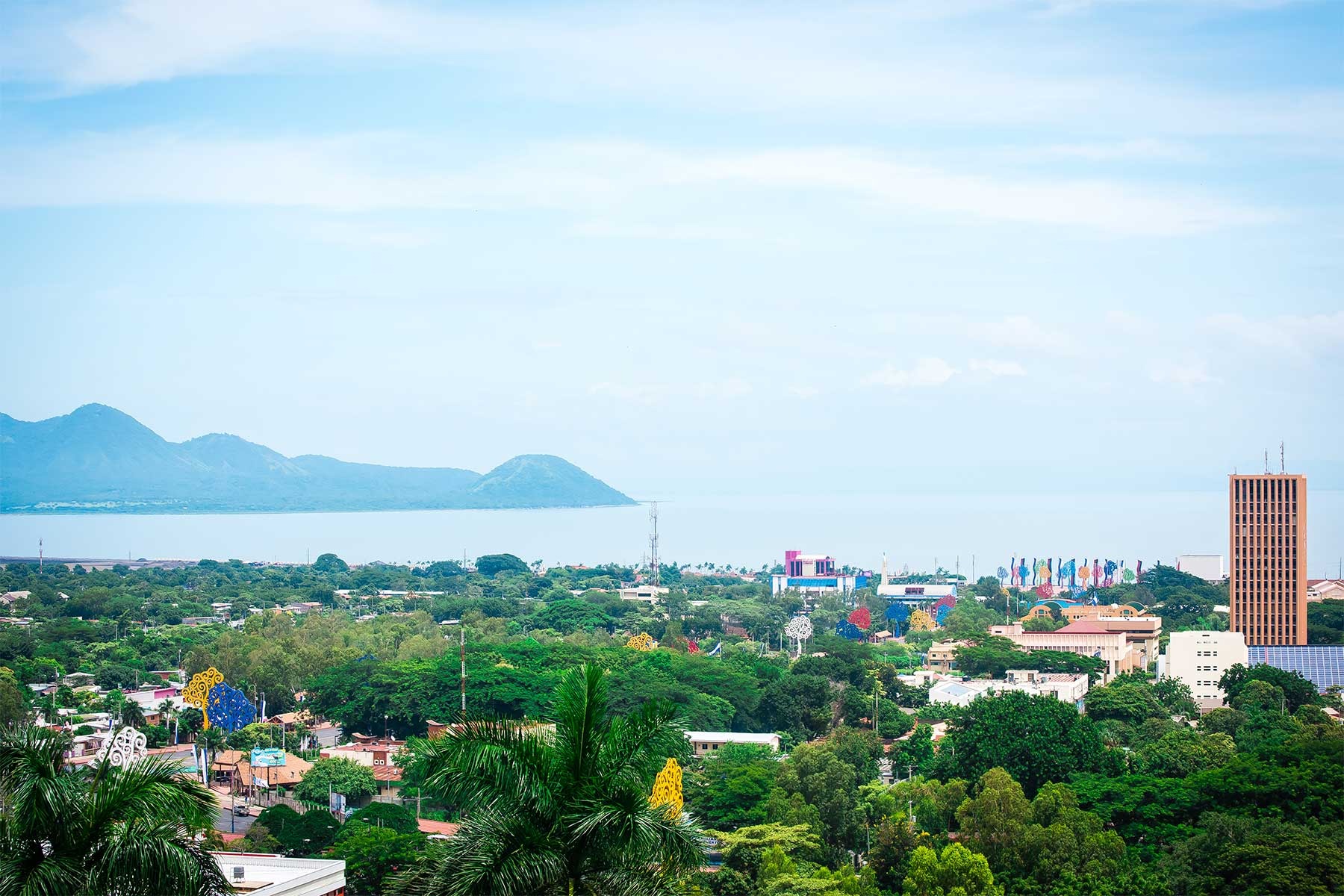
Most people land in Managua and immediately try to escape it. I get why—it’s not exactly charming at first glance. But skipping it completely feels like reading a book from chapter two.
What I’d do? Stay one night. Just one.
Not in a fancy hotel. Something simple. Walk around a bit, even if it feels slightly uncomfortable at first. Grab food from a local spot where you have to point at what you want because the menu isn’t in English.
One thing I noticed from my research: Managua gives you context. It shows you the real pace of life before you step into the prettier, more curated towns.
Small tip most blogs won’t tell you: withdraw cash from an ATM inside a supermarket or mall, not standalone street ATMs. It’s just safer, and locals actually do this.
Also—don’t expect to “like” Managua. That’s not the point.
Granada: Beautiful… But Don’t Get Trapped in the Pretty Version
Granada is the kind of place that makes you slow down without trying. The colors, the old buildings, the lake—it’s easy to fall into that postcard version of travel.


But here’s something I didn’t expect: it’s also where you can accidentally have the most inauthentic experience if you’re not careful.
A lot of people stay in foreign-owned boutique hotels, eat at trendy spots, and never really step outside that bubble.
What I’d personally do differently:
I’d stay a few streets away from the main square. Not far—just enough that you hear real life in the morning, not just tourists rolling suitcases.
Unique insight: Granada is split in two worlds—the polished center and the lived-in neighborhoods. The real culture is about 5–10 minutes outside the “Instagram zone.”
Practical tip: If you’re booking a boat tour to Las Isletas, go early morning (like 6–7am). It’s cheaper if you negotiate directly at the dock, and you avoid the noisy group tours later in the day.
Also, eat where there’s no Wi-Fi sign. That’s usually a good sign.
Ometepe: Where You Either Adjust… or Get Frustrated
Ometepe looks unreal in photos. Two volcanoes rising out of a lake—it almost feels edited.


But actually being there? It’s slower than most people expect. Like… really slow.
Wi-Fi cuts out. Power goes off sometimes. Plans don’t always work.
And honestly, I think that’s where a lot of travelers get it wrong.
What I’d do: instead of fighting the slowness, I’d build my routine around it. Work early. Do important tasks when internet is stable. Accept that some afternoons are just… gone.
Unique insight: Ometepe isn’t about what you do—it’s about how you adapt. The people who enjoy it most are the ones who stop trying to control everything.
Practical tip: Bring a power bank and download offline maps + work files. Sounds basic, but it makes a huge difference when the power cuts unexpectedly.
Also, rent a bicycle—even if it’s uncomfortable at first. You’ll notice way more than you would on a motorbike.
San Juan del Sur: Fun, But Easy to Overdo
San Juan del Sur is where things shift. It’s livelier, louder, and yeah… more chaotic.


It’s fun, no doubt. But it’s also the easiest place to lose balance.
Cheap drinks, beach parties, constant social energy—it adds up quickly.
If I’m being honest, what I’d do: I wouldn’t stay right in the center. I’d base myself near Playa Maderas or slightly outside town.
You still get the vibe, just without the burnout.
Unique insight: San Juan feels completely different depending on where you sleep. Same town, totally different experience.
Practical tip: Take a chicken bus to nearby beaches instead of taxis. It’s ridiculously cheap and you’ll actually experience how locals move around (plus, taxis overcharge tourists more often than people admit).
Also, if you’re taking surf lessons—ask locals directly on the beach. Prices vary a lot for the exact same lesson.
León: A Bit Rough, But That’s the Charm
León doesn’t try to impress you. It just exists—and somehow that makes it more interesting.


There’s art everywhere, a bit of chaos, and a kind of energy that feels more real than curated.
If I had to stay somewhere longer, it’d probably be here.
What I’d actually do day-to-day:
Work in the mornings, grab lunch at small local spots, and just walk around in the evenings. León feels like a place you understand slowly.
Unique insight: León rewards curiosity. The more you wander without a plan, the more you find.
Practical tip: When visiting the cathedral rooftop, go right before sunset but bring socks. The surface gets surprisingly hot during the day—it’s one of those random things no one mentions until you’re hopping around barefoot.
And yeah, volcano boarding is worth it. It sounds gimmicky, but it’s actually fun.
Living as a Nomad (Without Being “That Person”)
Living in Nicaragua isn’t expensive—but that’s not the full story.
You can get by on:
- $200–$600/month for accommodation
- $3–$8 meals locally
- A few dollars for transport
But the real question is how you spend, not how little.
What I’d focus on:
- Buying from local markets instead of imported grocery stores
- Sticking with family-run places
- Learning just enough Spanish to not rely on English all the time
Unique insight: The effort you make socially matters more than the money you spend. Even basic Spanish changes how people interact with you.
Practical tip: Use WhatsApp for everything—rentals, directions, even ordering food sometimes. A lot of businesses don’t rely on websites at all.
Also, don’t over-tip thinking you’re helping. It can actually create awkward expectations.
What I’d Personally Recommend
If I had to map it out (without overcomplicating it):
- Granada (3–4 days)
- Ometepe (at least a week)
- León (1 week or more)
- San Juan del Sur (a few days at the end)
But honestly? The timeline matters less than how you move.
What I’d prioritize:
Having “normal” days. Not every day needs to be an experience. Some days should just feel like life.
Unique insight: The best moments usually happen on unplanned days, not scheduled ones.
Practical tip: Pick one “anchor spot” in each place—a café, a food stall, somewhere you return to daily. It helps you settle faster and people start recognizing you.
Mistakes to Avoid
I’ve made enough travel mistakes to see these coming:
1. Treating it like it’s just cheap
It’s affordable, yes—but constantly bargaining down prices isn’t a great look.
2. Staying inside expat circles
Easy to do. Harder to break out of once you’re in it.
3. Overplanning everything
You’ll get frustrated when things don’t go as planned—which they won’t.
4. Ignoring small cultural cues
Simple greetings, tone, patience—it all matters more than you think.
Unique insight: Most “bad experiences” travelers complain about come from mismatched expectations, not actual problems.
Practical tip: Always carry small bills. It sounds minor, but not having change becomes an issue more often than you’d expect.
Quick Travel Workflow
If I were starting from scratch, I’d keep it simple:
1. Fly into Managua
Don’t overthink it.
2. Stay one night
Reset, adjust, get your bearings.
3. Head to Granada
Ease into the country.
4. Move to Ometepe
Slow down properly.
5. Set a routine
Work + explore, not just one or the other.
6. Go to León
Balance creativity and structure.
7. End in San Juan del Sur
Relax—but don’t overdo it.
Unique insight: The order actually helps your mindset shift—from fast to slow, then back to balance.
Practical tip: Book only your first few nights in advance. After that, decide as you go—it’s easier and often cheaper.
Final Thoughts
Nicaragua isn’t trying to impress you. And I think that’s exactly why it works.
It’s not always convenient. Not always comfortable. And definitely not polished.
But if you show up with a bit of patience—and maybe less expectation than usual—it gives you something better than a typical trip.
It gives you perspective.
If I were doing this in 2026, I wouldn’t try to “maximize” the experience. I’d just try to move through it carefully, spend intentionally, and stay long enough to feel something real.
That’s kind of the whole point, isn’t it?