Embracing Cultural Diversity: Understanding, Respecting, and Celebrating Differences
In today’s interconnected world, people from different backgrounds interact more than ever before. Advances in technology, travel, and communication have brought nations and communities closer, creating a truly global society. Within this shared space, cultural diversity stands as one of humanity’s greatest strengths. It reflects the variety of traditions, beliefs, languages, and lifestyles that shape identities and enrich everyday life.
The beauty of cultural diversity lies in its ability to inspire creativity, enhance social understanding, and foster global cooperation. Learning to appreciate and respect differences is essential for building peaceful, thriving communities across the world.
Understanding Cultural Diversity
Cultural diversity refers to the presence of multiple cultures within a society or across the globe. Each culture represents a unique worldview shaped by history, geography, religion, and social values. Culture influences how people communicate, celebrate, dress, eat, work, and express emotions.
Diverse societies create dynamic environments where traditions, knowledge, and ideas interact. Cultural diversity does not mean division; it reflects the richness of human experience and the various paths people take to find meaning and purpose.
Globalization and Cultural Exchange
Globalization has transformed how cultures interact, allowing traditions and practices to cross borders more easily than ever.
Travel and Migration
Travel exposes individuals to other cultures firsthand. Migration brings people from different backgrounds into shared communities, workplaces, and schools, creating opportunities for cultural exchange and mutual learning. People often adopt new habits while sharing their own traditions, enriching society as a whole.
Digital Connectivity
Social media, streaming platforms, and online communities connect millions worldwide. Music, fashion, language, and art spread quickly, blending cultural influences and creating shared global experiences. Digital platforms make cultural learning accessible and instantaneous, promoting understanding across borders.
How Cultural Diversity Enriches Society
Cultural diversity strengthens creativity, economic growth, and social cohesion.
Creativity and Innovation
People from diverse backgrounds bring unique ideas and perspectives to problem-solving. Collaboration across cultures fuels innovation in technology, business, education, and the arts. Many global breakthroughs emerge from cross-cultural partnerships and creative fusion.
Economic Growth
Diverse communities contribute to economic development. Immigrants and multicultural entrepreneurs introduce new skills, services, and markets, while diverse workforces enhance adaptability and competitiveness in global markets.
Social Development
Exposure to different cultures encourages open-mindedness and empathy. Individuals learn to communicate effectively and respect differences, promoting social harmony and reducing prejudice. Inclusive societies benefit from stronger relationships, cooperation, and community engagement.
Language as a Bridge Between Cultures
Language is a crucial element of cultural diversity. It carries history, traditions, and emotional expression. Multilingual societies enjoy broader communication abilities, global opportunities, and cognitive benefits. Preserving native languages ensures cultural identity remains intact, while learning new languages strengthens cross-cultural understanding.
Cultural Traditions and Celebrations
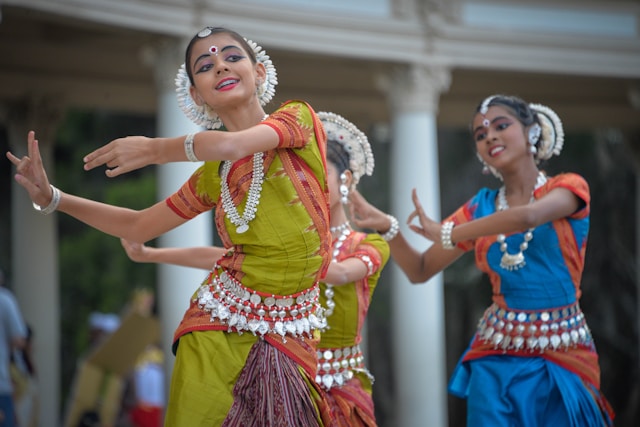
Festivals, rituals, and ceremonies showcase cultural heritage and strengthen community bonds. Multicultural societies often celebrate holidays from multiple traditions, including food festivals, music events, and cultural fairs. Shared celebrations foster joy, understanding, and mutual respect, allowing communities to experience each other’s customs firsthand.
Education and Cultural Awareness
Education plays a central role in promoting appreciation for diversity. Teaching global history, literature, and intercultural communication equips students for international environments. Cultural exchange programs, language learning, and international projects encourage global thinking and foster respect for differences from an early age.
Challenges of Cultural Diversity
While diversity brings many benefits, it also presents challenges.
Misunderstandings and Stereotypes
Differences in communication styles, values, and social norms can lead to misunderstandings. Stereotypes and misinformation may fuel prejudice. Open dialogue, education, and intercultural awareness are essential to overcome these barriers.
Cultural Identity and Assimilation
Globalized societies sometimes pressure individuals to assimilate, risking the loss of traditional practices. Balancing integration with cultural preservation is necessary to maintain heritage while participating in broader society.
Inequality and Discrimination
Discrimination based on culture, language, or ethnicity continues to exist in many regions. Inclusive policies, education, and social awareness are essential for promoting equality and fairness.
The Role of Media in Shaping Cultural Perception
Media significantly influences how cultures are represented. Positive representation fosters understanding and appreciation, while biased or negative portrayals can reinforce stereotypes. Responsible journalism, diverse storytelling, and inclusive entertainment strengthen cultural expression and global respect.
Cultural Diversity in the Workplace
Modern workplaces are increasingly multicultural. Diverse teams bring broader perspectives, improved decision-making, and enhanced adaptability to international markets. Organizations that invest in cultural training, inclusive leadership, and respectful communication see higher innovation, productivity, and employee satisfaction.
Preserving Cultural Heritage in a Global Era
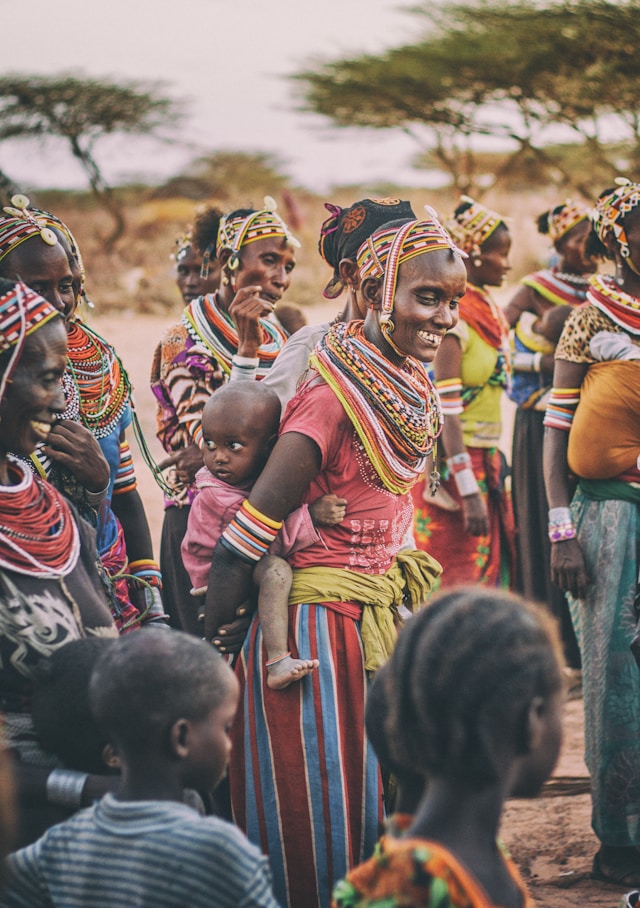
Globalization can threaten traditional practices through urbanization, mass media, and homogenization. Preservation efforts include teaching traditions to younger generations, supporting local artisans, protecting historical sites, encouraging community events, and documenting oral histories. These initiatives ensure that cultural practices remain vibrant and relevant.
Cultural Diversity and Personal Growth
Interacting with different cultures expands personal horizons, developing empathy, flexibility, and communication skills. Exposure to new viewpoints encourages self-reflection, emotional intelligence, and social awareness. Personal growth thrives in culturally diverse environments, enriching both professional and personal life.
Building Inclusive Communities
Inclusive communities value participation from all cultural groups. Governments, schools, and organizations can promote inclusion through cultural programs, language support, and equal access to services. Dialogue, cooperation, and community initiatives strengthen trust and cohesion, creating safer and more united societies.
The Future of Cultural Diversity
As globalization continues, cultural interactions will increase, leading to hybrid traditions and shared cultural practices. Technology will continue to shape how cultures evolve and connect. Responsible global citizenship, mutual respect, and preservation of heritage will determine how societies adapt peacefully to cultural change.
How Individuals Can Promote Cultural Harmony
Practical actions include:
- Learning about other cultures
- Challenging stereotypes
- Practicing respectful communication
- Supporting multicultural events
- Teaching children tolerance and respect
- Valuing different perspectives
Small, consistent efforts contribute to meaningful cultural understanding and harmony.
Final Thoughts
Cultural diversity unites people through difference. Each culture adds color, wisdom, and creativity to humanity’s shared story. Diversity strengthens societies by encouraging cooperation, empathy, and innovation. Celebrating cultural diversity, protecting heritage, and promoting inclusion create a world where every individual feels respected, valued, and connected.