I remember the first time Nicaragua came up on my radar. It wasn’t some polished travel guide or influencer post—it was a random video of someone sliding down a volcano on a wooden board. Looked insane. Looked fun. Then almost immediately, that second thought crept in: okay but… is it safe though?
That question sat with me longer than the excitement.
Because Nicaragua is one of those places where the reputation doesn’t quite match reality. You’ll hear extremes—either it’s “super dangerous, don’t go” or “it’s totally fine, nothing to worry about.” From everything I’ve looked into (and conversations with people who’ve actually been recently), it’s neither of those. It’s somewhere in between, and honestly, that’s what makes it interesting.
So… Is Nicaragua Safe in 2026?
Yeah—generally, it is. But it’s not the kind of place where you switch your brain off.
What stood out to me is that most safety concerns are tied to politics, not everyday tourist experiences. The unrest from past years still shapes how people talk about Nicaragua, but on the ground, things are calmer than you’d expect.
Here’s the part most blogs don’t say clearly: safety in Nicaragua feels more situational than systemic. It’s less about the country being dangerous, and more about how you move within it.
A traveler walking around Granada in the evening, sticking to lit streets, is having a completely different experience from someone wandering into unfamiliar areas at night in Managua.
Unique insight: Nicaragua feels safer than its reputation—but less forgiving if you’re careless. That contrast is what throws people off.
Practical tip most blogs skip: when you arrive, don’t pull your phone out immediately outside the airport to order a ride. Either pre-arrange transport or step inside a hotel/café first. That first 10–15 minutes in a new country is when people are most distracted—and it shows.
What It Actually Feels Like There
Managua might not win you over. I’ll be honest—it’s not where Nicaragua shines. It can feel a bit scattered, a bit rough around the edges.
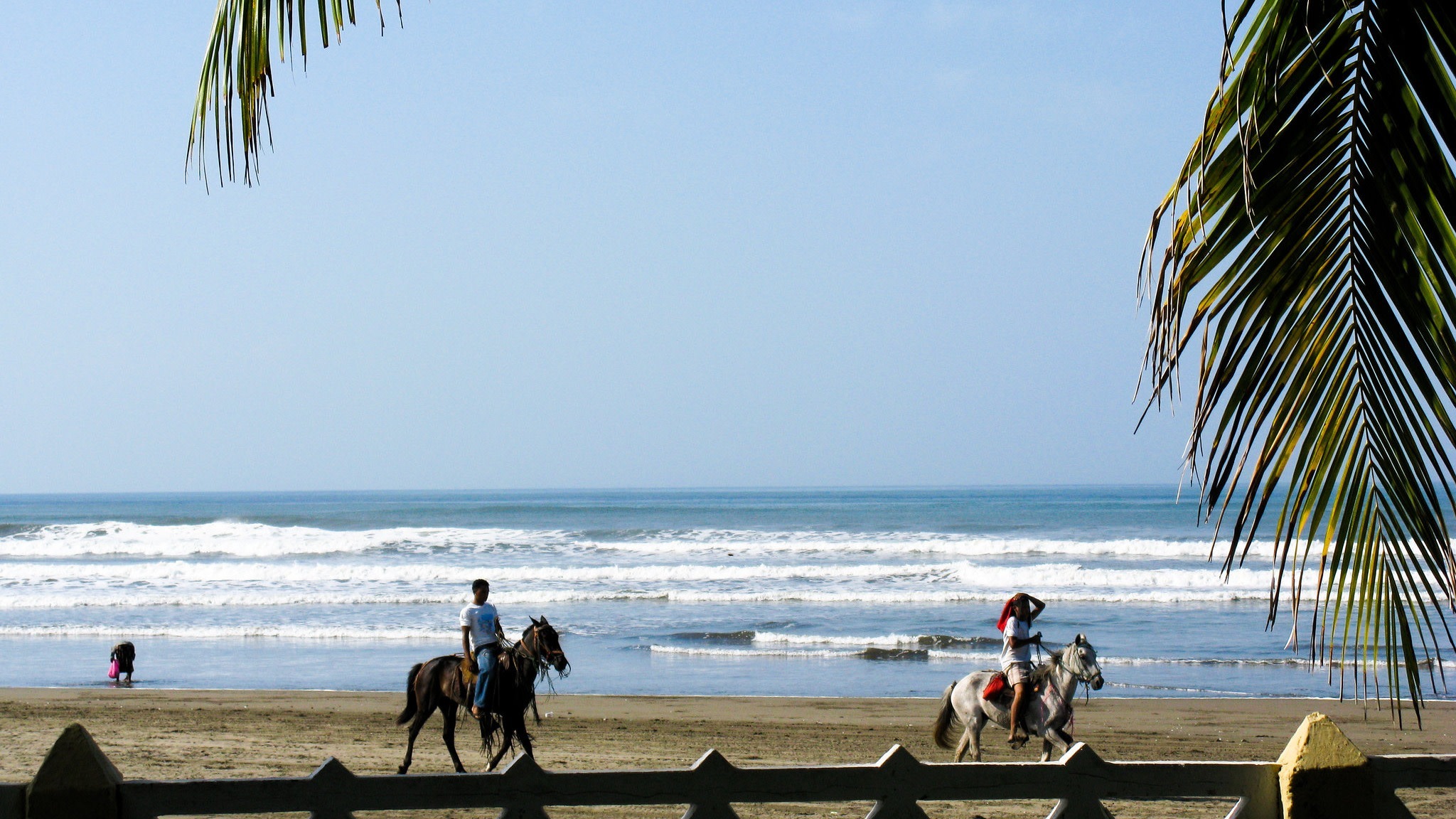
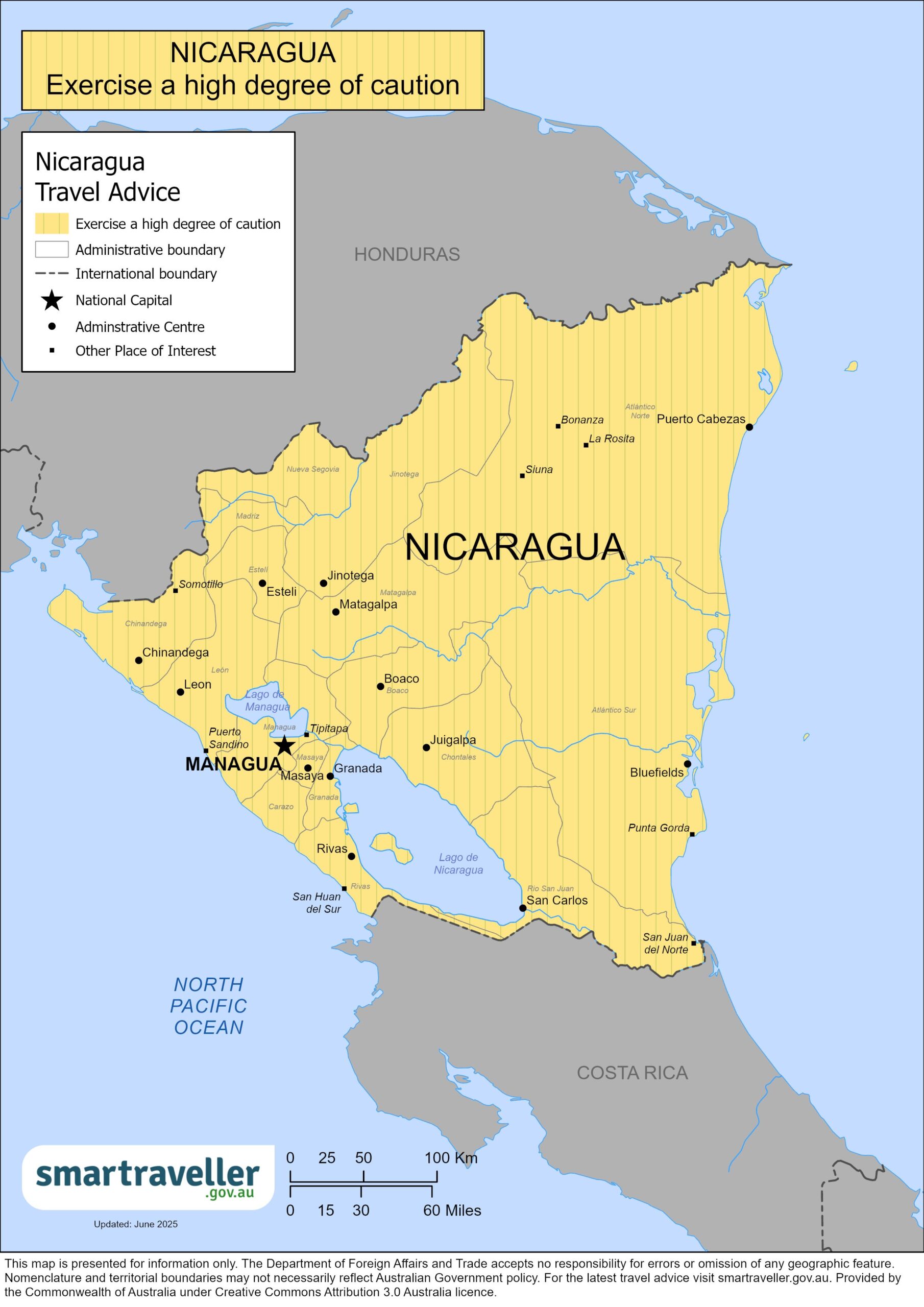
But then you get to Granada, and suddenly everything slows down. Colorful streets, quiet afternoons, people just… living. León feels different—more energy, more grit, a bit chaotic in a good way. And San Juan del Sur? That’s where you forget what day it is.
From what I’ve gathered, most travelers don’t feel “on edge” in these places. You’re aware, yes, but not tense.
Unique insight: the pace of life actually plays a role in safety. Slower places like Ometepe naturally reduce risky situations because there’s less chaos, fewer crowds, and fewer distractions.
Practical tip: learn a few basic Spanish phrases—not just “hello” and “thank you,” but things like “how much is this normally?” It helps you avoid being overcharged subtly, which happens more often than outright scams.
The Real Safety Concerns (No Sugarcoating)
Petty theft is the main one. Not violent crime—just small, opportunistic stuff.
Phones left on tables. Bags hanging off chairs. Backpacks worn loosely in crowded areas. That’s where things go missing.
Transport is another thing. Local buses are cheap, but they’re not exactly beginner-friendly. They’re crowded, fast-moving, and sometimes confusing.
Healthcare is also something to think about. It’s not terrible, but it’s not somewhere you want to “figure things out” if something goes wrong.
Unique insight: most issues travelers face in Nicaragua aren’t dramatic—they’re small mistakes that add up. Losing $200 worth of stuff might not ruin your trip, but it’ll definitely change your mood.
Practical tip: split your money. Keep some in your wallet, some in your bag, and a backup hidden in your luggage. It sounds obvious, but a lot of people still carry everything in one place.
Where You’ll Feel Most Comfortable
From everything I’ve seen, a few places consistently come up as easy and safe for travelers:
- Granada
- León
- San Juan del Sur
- Ometepe Island
Each one has its own vibe, but they all share one thing: steady tourist traffic.
That matters more than people think. It means better transport options, more reliable accommodation, and locals who are used to interacting with visitors.
Unique insight: safety often follows familiarity. Places that are used to tourists tend to self-regulate better—more eyes, more awareness, fewer surprises.
Practical tip: when booking accommodation, don’t just check reviews—check recent reviews (last 3–6 months). Things can change quickly in smaller destinations.
Money, Costs, and Daily Life
Nicaragua is still one of the more affordable countries in the region, which is a big part of its appeal.
You can eat well for under $10, sleep for under $20 in a hostel, and still have money left for activities.
But here’s something I’d personally be careful with: just because it’s cheap doesn’t mean you should go too cheap.
Unique insight: the cheapest options sometimes cut corners on security—like no lockers, poor lighting, or sketchy locations. Saving $5 a night isn’t always worth it.
Practical tip: bring small US dollar bills. Nicaragua uses both local currency and USD in many places, but getting change for large bills can be surprisingly difficult.
What I’d Personally Recommend
If I were going, I wouldn’t try to rush through the country.
I’d start in Granada. It feels like the easiest place to land mentally—walkable, calm, and not overwhelming.
Then León for something more active. I’d probably try volcano boarding, even though I’d be slightly nervous about it.
After that, I’d slow things down completely—either San Juan del Sur or Ometepe. That’s where you actually feel Nicaragua, not just see it.
And I’d use shuttles, at least at the start. Less stress, fewer unknowns.
Unique insight: the first 48 hours set the tone for your entire trip. If those feel smooth, everything after feels easier.
Practical tip: message your accommodation before arrival and ask about transport. A lot of smaller places can arrange trusted drivers for almost the same price as random taxis.
Mistakes to Avoid
One big mistake is assuming Nicaragua works like more tourist-heavy countries. It doesn’t.
Things aren’t always instant. Not everything is online. Sometimes you just have to ask around.
Another mistake? Ignoring local advice. If someone tells you not to go somewhere at night, there’s usually a reason.
Also, overpacking valuables. It just makes you stand out.
Unique insight: most problems happen when travelers try to recreate a “luxury experience” in a place that’s more raw and local. Adjusting expectations actually keeps you safer.
Practical tip: don’t arrive late at night if you can avoid it. Even if it’s technically safe, navigating a new place in the dark adds unnecessary stress.
Quick Travel Workflow
If I had to map it out simply, here’s how I’d do it:
1. Book a daytime flight into Managua
Arriving with daylight makes everything easier.
2. Pre-book your transfer
Don’t negotiate taxis on arrival if you’re tired or unsure.
3. Stay your first few nights in Granada
It’s a good “entry point” into the country.
4. Move via shuttle between cities
More predictable than local buses.
5. Keep cash in small amounts
Avoid flashing large bills.
6. Stick to busy areas at night
Especially early in your trip.
7. Plan your return to Managua ahead of time
Last-minute logistics can be tricky.
Unique insight: smooth logistics reduce risk more than any safety gadget ever will.
Practical tip: screenshot your bookings and directions. Internet isn’t always reliable when you need it most.
Final Thoughts
Nicaragua isn’t perfect. It’s not polished. And honestly, that’s part of why people either love it or avoid it.
From everything I’ve seen, it’s safe enough if you stay aware, move smart, and don’t push your luck.
Would I go? Yeah, I would.
But I’d go with the mindset that I’m entering a place that requires a bit more attention—not fear, just awareness.
And those kinds of trips… they usually end up being the ones you remember the most.