


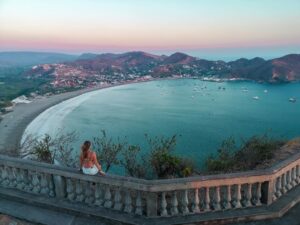
I didn’t expect Nicaragua to get under my skin.
It wasn’t even supposed to be the highlight of the trip. I had mentally placed it somewhere between “quick stop” and “let’s see how it goes.” But then I remember sitting in Granada one evening, sweaty from the heat, holding a $1 juice, watching kids play football in the street—and thinking… yeah, this feels different.
Not better in a flashy way. Just… real. A bit unfiltered.
And from my research (plus what I’d honestly do differently now), Nicaragua in 2026 still sits in that sweet spot where it hasn’t been over-polished yet. You can feel that almost immediately.
First Impressions: Not Perfect, But That’s the Point
The first thing you’ll notice? Nicaragua doesn’t try too hard.
The airport is simple. The roads can feel unpredictable. Things don’t always run exactly on time. But weirdly, that’s part of the charm.
What stuck with me wasn’t some big attraction—it was the everyday stuff:
- Buying grilled corn from a roadside stand for less than a dollar
- Hearing music spill out of random houses at night
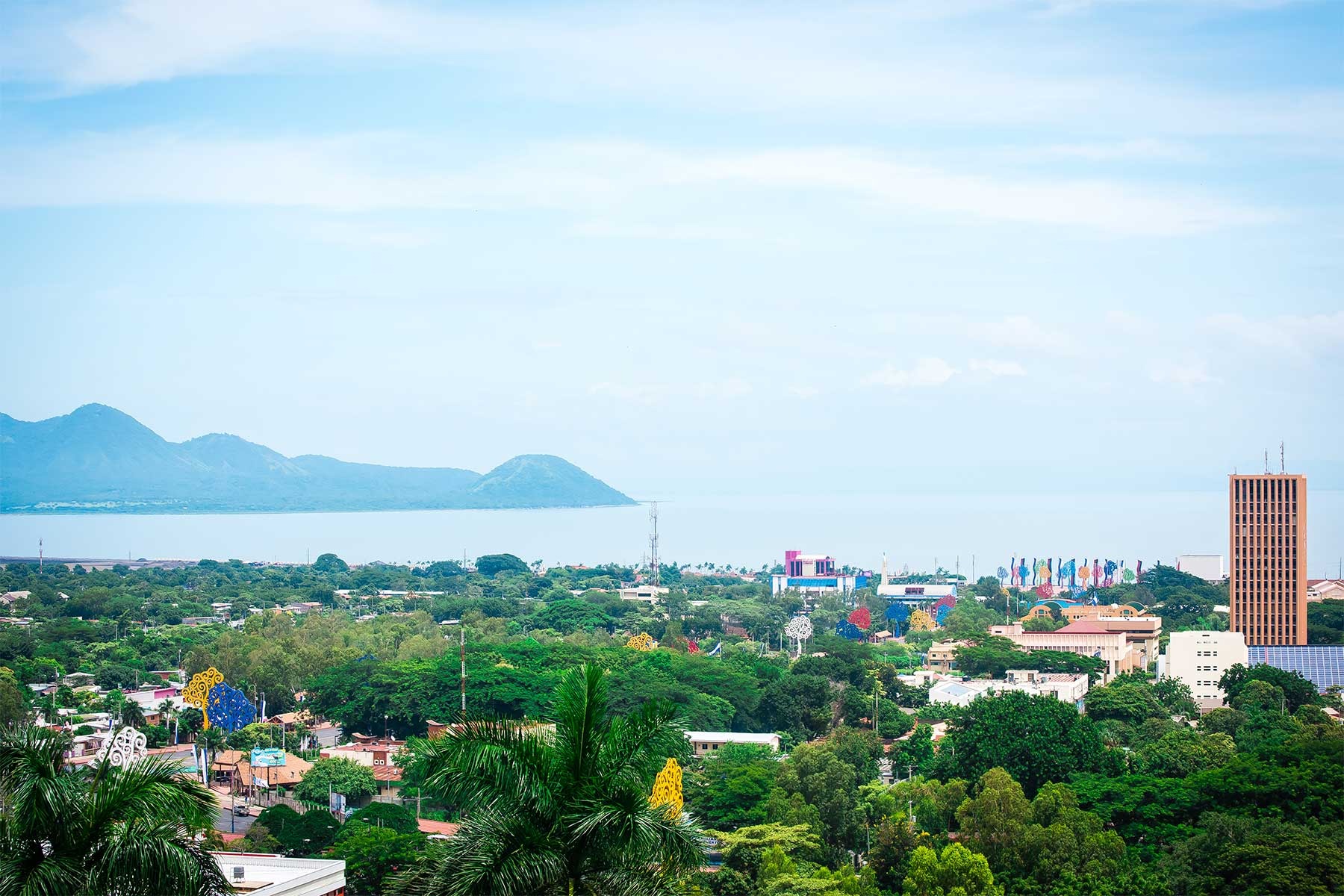
- Seeing volcanoes just… existing in the background like it’s normal
Unique insight: Nicaragua feels like a place where daily life hasn’t been rearranged for tourists. You’re stepping into their rhythm, not the other way around.
Practical tip most blogs won’t tell you: Always carry small bills (like $1–$5). Vendors often won’t have change for larger notes, and you’ll either overpay or walk away.
Granada: The Kind of Place You End Up Staying Longer
Granada is one of those cities that looks almost too pretty at first. Bright yellow walls, colonial buildings, churches that feel like they’ve been there forever.
But what surprised me wasn’t the visuals—it was how easy it is to settle into a routine there.
Mornings are slow. Like properly slow. You grab coffee for $2, maybe a simple breakfast for $3–$5, and you just sit. Nobody’s rushing you out.
From my research, most people stay 2–3 days. I think that’s a mistake.
I’d give it at least 4 days. Not because there’s so much to “do,” but because it’s a place you feel.
Specific things I’d actually do:
- Take the Islets boat tour—but go early morning, not sunset. It’s quieter and cooler (around $25)
- Climb Iglesia La Merced right before sunset (timing matters—the light hits differently)
- Eat at small local spots instead of the main square (look for places with handwritten menus)
Unique insight: Granada isn’t about ticking off attractions—it’s about noticing how calm your day becomes without you trying.
Practical tip: Power cuts happen occasionally. Book a place with a backup generator or at least confirm they have one—especially if you need WiFi.
León: A Bit Messy, In a Good Way
León feels like Granada’s opposite.
Less polished, more energy. You can feel history here, but not in a museum-only kind of way—it’s in the streets, the graffiti, the conversations.
And yes, volcano boarding is a thing. Sliding down Cerro Negro on a wooden board sounds slightly ridiculous… and it kind of is. But it’s also fun in a chaotic, no-rules kind of way.
Costs around $30–$40 depending on who you go with.
But honestly, what stayed with me wasn’t that.
It was:
- Walking through the cathedral rooftop barefoot (the heat is real, though)
- Random street food at night that somehow tastes better than restaurant meals
- The slightly unpredictable vibe—you don’t fully “figure out” León
Unique insight: León feels less curated than Granada, which makes it harder to love at first—but more memorable after you leave.
Practical tip: Bring a bandana or scarf. Between dust, wind, and volcano ash, you’ll actually use it more than you think.
Ometepe Island: Where Things Slow Down (For Real)
Ometepe is the kind of place that forces you to pause a bit.
Two volcanoes sitting in a lake—it almost doesn’t look real when you first see it. Getting there isn’t smooth either. The ferry process is a little chaotic, not gonna lie.
But once you arrive, everything softens.
From my research and what I experienced, this is where people either relax properly… or get bored. It depends on how you travel.
What I’d do:
- Rent a motorbike (about $15–$20/day)—it gives you freedom
- Visit Ojo de Agua springs (go early, before tour groups)
- Chase waterfalls, but ask locals for directions—not Google Maps
Unique insight: Ometepe isn’t about doing more—it’s about doing less without feeling guilty about it.
Practical tip: Fuel stations are limited. If you rent a bike, fill up whenever you can, even if the tank isn’t empty.
San Juan del Sur: Depends What You’re After
I’ll be honest—San Juan del Sur is not my favorite spot.
But I get why people like it.
It’s social, easy, and built for travelers. You’ll find hostels, nightlife, beach bars… all of that.
From my research, it’s popular for a reason. But it can feel a bit too familiar, like you’ve seen this version of a beach town somewhere else.
If I were doing it again, I’d still pass through—but I wouldn’t stay long.
Better options nearby:
- Playa Maderas (more relaxed, better surf vibe)
- Playa Hermosa (quieter, cleaner, less crowded)
Unique insight: San Juan del Sur feels like Nicaragua adapted for travelers, while nearby beaches feel like Nicaragua untouched.
Practical tip: ATMs in SJDS can run out of cash on weekends. Withdraw what you need earlier, especially before heading to smaller beaches.
Cost of Traveling Nicaragua (What It Actually Feels Like)
One of the biggest surprises? How far your money goes.
You don’t need to overthink budgeting here.
Realistic daily spend:
- Accommodation: $10–$40
- Food: $5–$15 (if you eat local, which you should)
- Transport: usually under $10
- Activities: $5–$40
You can travel comfortably on $30–$50/day.
Unique insight: Nicaragua isn’t just cheap—it gives you value. You’re not constantly thinking about money, which changes how you travel.
Practical tip: Restaurants often don’t include tax in menu prices. Add about 10–15% mentally so you’re not surprised.
What I’d Personally Recommend
If I had to redo the whole trip, I’d simplify things.
Not more places—just better pacing.
My version would look like:
- Granada (4 days)
- León (3 days)
- Ometepe (3–4 days)
- Coast (2–3 days, but not all in SJDS)
And I’d leave space. Like actual empty days.
Also—this matters more than people say—talk to locals when you can. Even small conversations change your experience.
Unique insight: The best parts of Nicaragua aren’t planned—they happen when you leave room for them.
Practical tip: Use WhatsApp for everything—transport, bookings, questions. Most local businesses respond faster there than anywhere else.
Mistakes to Avoid
A few things I noticed (or almost messed up myself):
Trying to do too much
Travel here takes time. Buses stop often, roads vary. What looks like 2 hours can turn into 4.
Expecting everything to run smoothly
Sometimes it will. Sometimes it won’t. That’s part of it.
Sticking only to tourist spots
You’ll miss the real feel if you don’t step outside that bubble.
Skipping basic Spanish
Even a few words make a difference.
Unique insight: Frustration usually comes from expecting Nicaragua to work like more developed destinations. Once you adjust, things feel easier.
Practical tip: Download offline maps (Google Maps or Maps.me). Signal drops more often than you’d expect.
Quick Travel Workflow
If you’re the kind of person who just wants a simple plan without overthinking:
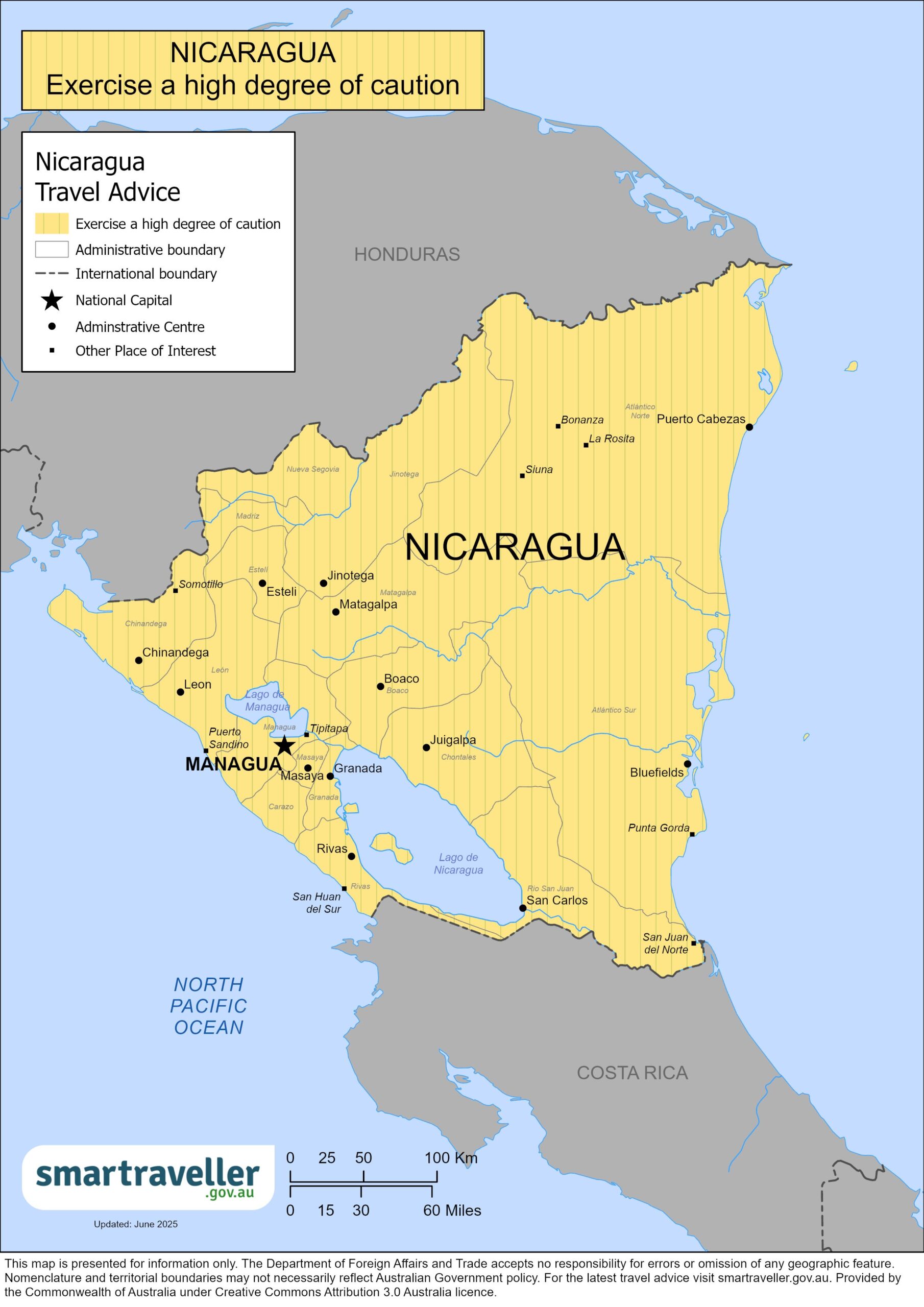
1. Fly into Managua
Nothing fancy here—just get in and move on.
2. Head straight to Granada
About 1 hour away. Good starting point.
3. Move to León
Shuttle or bus (4–5 hours).
4. Go to Ometepe
Via ferry—slightly chaotic, but manageable.
5. End near the coast
Choose your vibe: social (SJDS) or quieter beaches.
6. Keep bookings flexible
Book first nights only, decide the rest as you go.
7. Get a local SIM
Costs around $5–$10. Worth it.
Unique insight: The best trips here aren’t tightly planned—they’re adjusted along the way.
Practical tip: Morning travel is better. Buses are less crowded, and you avoid midday heat.
Final Thoughts
Nicaragua isn’t trying to impress you.
It doesn’t have that polished, “everything is perfect” feel. And honestly, that’s why it works.
You notice things more. Small things. Real things.
From my experience, it’s the kind of place that grows on you quietly. Not in a dramatic, life-changing way—but in a way where you leave and think… yeah, I didn’t expect that to hit me like it did.
If you go looking for luxury, you might miss it.
If you go open, a bit flexible, and willing to adapt… you’ll probably understand why people keep it a bit of a secret.

A really good blog and me back again.
Thank you and Glad it helps you
每天都在战争,希望2026和平.
看不懂但大受震撼
wish you all the best
Mass comment blasting: $10 for 100k comments. All from unique blog domains, zero duplicates. I will provide a full report and guarantee Ahrefs picks them up. Email mailto:helloboy1979@gmail.com for payment info.If you received this, you know Ive got the skills.
wish you best and best
Glad that helped
色即是空,空即是色