I didn’t really “plan” Nicaragua the way I normally plan trips. It was more like… I needed somewhere quieter, somewhere that wouldn’t feel like a checklist. And somehow, Nicaragua kept coming up in random conversations and travel threads.
So I went.
The first morning there, I remember sitting with a cup of coffee that cost less than bottled water back home, watching a couple of surfers walk past barefoot like they had nowhere urgent to be. No rush, no noise. Just… a slow start. It felt unfamiliar at first, but in a good way.
And that’s kind of the tone Nicaragua sets. It doesn’t try to impress you. It just lets you settle in.
Wellness Here Feels Less “Packaged”
From my research (and what people consistently say after visiting), wellness in Nicaragua doesn’t feel like a product. It’s not overly curated or polished, and honestly, that’s what makes it work.
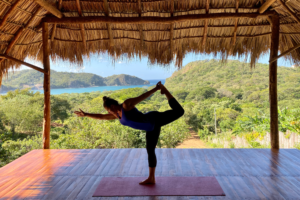
In places like San Juan del Sur or Ometepe Island, you’ll find eco-lodges and small retreats that lean more into nature than luxury branding. Think wooden yoga decks, open air, sometimes uneven floors, birds making noise mid-session… it’s not perfect, but it feels real.
A typical yoga drop-in class is around $8–$15, and retreats can go anywhere from $400 to $1,200 a week depending on how “boutique” the place is.
Unique insight: What stood out to me is that a lot of these places aren’t trying to keep you inside all day. In some wellness destinations, everything is designed so you stay within the retreat bubble. Here, it’s the opposite. You’re encouraged to go out, explore, come back. It feels less controlling.
A tip most blogs won’t mention: bring a light scarf or wrap. Sounds random, but mornings can feel cooler than expected, especially during meditation or early yoga sessions. And not every place provides blankets or extras.
If I were doing it, I’d avoid booking a full week-long retreat right away. I’d test the vibe first with a single class or short stay. Some places look amazing online but feel different in person.
Yoga Culture That’s Actually Relaxed
Yoga here doesn’t feel like a performance.
In San Juan del Sur especially, classes are pretty casual. You’ll see beginners, surfers, locals, travelers who clearly just rolled out of bed. No one’s really trying to outdo each other.
Classes are usually small—sometimes 5 to 10 people—and teachers tend to adjust based on the group. It’s less “follow this strict flow” and more “let’s move in a way that feels right today.”
Unique insight: One thing I noticed from reading traveler experiences is that instructors here often blend in bits of local philosophy or storytelling. Not in a heavy way, but enough that it feels connected to the place, not just a generic yoga session you could attend anywhere.
A practical tip: don’t rely too much on online schedules. A lot of yoga studios update times on WhatsApp or physical boards instead of websites. If you arrive assuming Google has the latest info, you might miss classes.
Also, and this is just my opinion—don’t aim to do yoga every single day. It sounds nice in theory, but you’ll probably enjoy it more if you mix it with just… resting or walking around.
Coffee Culture Is Quietly Incredible
I expected good coffee. I didn’t expect it to be this good.
Nicaragua grows a lot of its own beans, especially in regions like Matagalpa and Jinotega. And the difference shows. The coffee is smooth, not overly bitter, and you can tell it hasn’t traveled halfway across the world before reaching your cup.
A regular cup costs around $1.50–$3, sometimes less if you’re not in a tourist-heavy area.
Unique insight: What I found interesting is that coffee here isn’t rushed. Even in small cafés, people sit longer. It’s not a “grab and go” culture. It’s more like… you sit, you sip, you stay.
And that kind of changes how you experience your day.
A tip most people overlook: try ordering “café con leche” in smaller local spots instead of asking for cappuccinos or lattes. It’s simpler, but often better—and you avoid paying tourist pricing for something overly stylized.
If you can, visit a coffee farm. Tours cost about $15–$30, and they’re worth it. Not just for the process, but because you start appreciating the effort behind every cup.
The Balance Feels Effortless
This is probably my favorite part.
You don’t have to try hard to balance wellness and activity here—it just sort of happens.
You might start your day with yoga, spend the afternoon at the beach, and end it watching the sunset with coffee or fresh juice. No strict schedule. No pressure.
Ometepe Island especially has this slower, almost grounding energy. Being surrounded by water and volcanoes does something to your perspective. Things just feel… less urgent.
Meanwhile, San Juan del Sur has a bit more life. You can still relax, but there’s also a social side if you want it.
Unique insight: Nicaragua kind of forces you to let go of control a bit. Transport might be late. Plans shift. And instead of ruining your day, it often ends up improving it because you stumble into something unexpected.
A practical tip: always carry a bit of cash (USD or córdobas). Some smaller cafés, yoga spots, or ferry services don’t take cards, and ATMs aren’t always nearby.
What I’d Personally Recommend
If I were doing this trip now, knowing what I know…
I’d start in San Juan del Sur for about 3 days. Not too long. Just enough to get comfortable. I’d book maybe one yoga class at a place like Zen Yoga or Arribas Yoga, then spend the rest of the time exploring cafés.
I’d try a spot like Dale Pues Coffee—people keep mentioning it for a reason. Good coffee, relaxed vibe, not overly polished.
Then I’d head to Ometepe Island and slow things down properly. Fewer plans, more nature. Maybe rent a scooter if I feel confident (roads can be rough though, so I’d think twice).
I’d definitely include a coffee tour somewhere along the way. Not optional, honestly.
And I wouldn’t overthink it. Nicaragua isn’t a place that rewards over-planning.
Mistakes to Avoid
Trying to do too much is the biggest one.
It’s tempting to book yoga every morning, plan tours, café-hop, explore everything… but you’ll end up missing the whole point of being there.
Another mistake is expecting everything to be smooth and polished. It’s not. And that’s fine.
Unique insight: some of the best experiences here come from things that weren’t planned at all—like randomly finding a quiet beach or having a long conversation with someone at a café.
A practical tip: don’t rely heavily on Wi-Fi for work or planning. It can be slow or inconsistent, especially on Ometepe Island. Download what you need ahead of time.
Also—small thing—but bring insect repellent. Especially near water or jungle areas. You’ll thank yourself later.
Quick Travel Workflow
If you like having a rough plan without overcomplicating it:
1. Fly into Managua
Then head straight to San Juan del Sur (about 2.5–3 hours).
2. Ease In (Days 1–3)
- One yoga class
- Café mornings
- Beach time
3. Add One Activity
- Surf lesson or short hike
- Nothing too packed
4. Move to Ometepe (Days 4–7)
- Ferry from San Jorge
- Stay somewhere quiet
5. Slow Down Properly
- Optional yoga
- Swim, rest, explore lightly
6. Coffee Experience
- Farm tour or local tasting
7. Head Back or Continue
- Keep it flexible
Final Thoughts
Nicaragua isn’t trying to be the next big wellness hotspot. And I think that’s exactly why it works.
It’s a bit rough around the edges. A bit unpredictable. But that’s what makes it feel honest.
If you go expecting luxury and perfection, you might be disappointed. But if you go looking for something slower, something that actually lets you breathe a bit… it delivers.
At least, that’s the impression I get from everything I’ve seen and read—and honestly, it’s the kind of place I’d go back to without needing a reason.