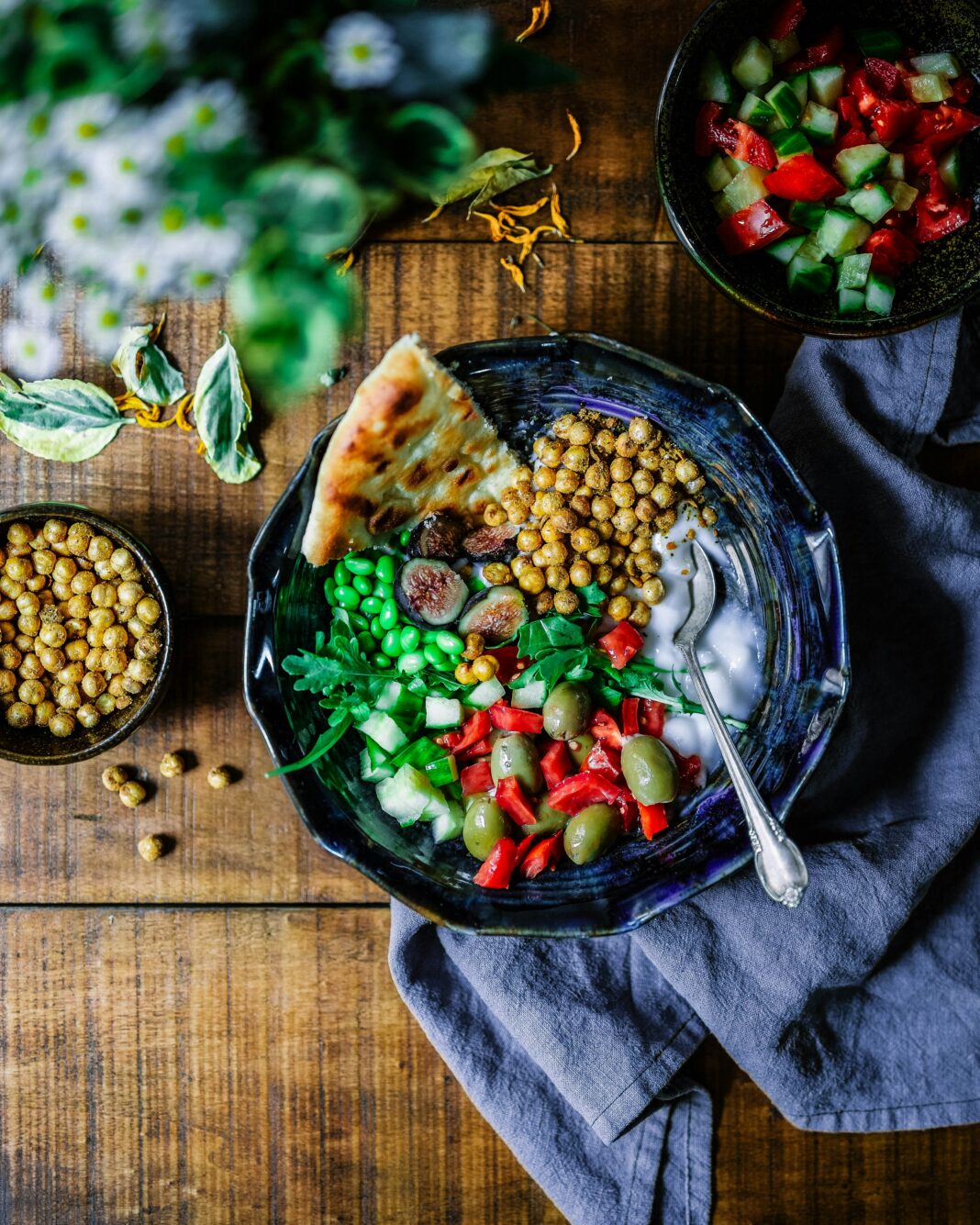
Comfort Food: Nourishing the Body and Soul
Comfort food goes beyond mere sustenance—it evokes memories, emotions, and a sense of home. From childhood favorites to regional specialties, these dishes carry stories that reflect culture, tradition, and personal experience. Understanding the origins and significance of comfort food reveals why these meals resonate so profoundly across generations and geographies.
Macaroni and Cheese: A Tale of Simplicity
Macaroni and cheese, a creamy pasta dish combined with melted cheese, is a staple of American comfort cuisine. Its roots trace back to European recipes, but it became a household favorite in the U.S. due to affordability and ease of preparation.
Why It Comforts
- Warm, creamy texture evokes nostalgia
- Quick, satisfying, and familiar
- Represents home cooking and family gatherings
More than pasta and cheese, macaroni and cheese recalls simpler times and cozy kitchens.
Chicken Soup: More Than Just a Cold Remedy
Chicken soup appears in countless cultures, from Jewish matzo ball soup to Asian herbal broths. Traditionally used for healing, it also symbolizes care, nurturing, and togetherness.
Why It Comforts
- Warm broth soothes body and soul
- Often linked to family traditions
- Universally recognized as a gesture of love
Chicken soup embodies the idea that food can heal emotionally as well as physically.
Mashed Potatoes: Creamy, Yet Cultural
Mashed potatoes are a classic side dish with European roots, now enjoyed worldwide. Soft, buttery, and versatile, this dish pairs well with meats, gravies, and roasted vegetables.
Why It Comforts
- Simple flavors that are universally satisfying
- Symbolizes hearty, home-cooked meals
- Flexible for any occasion
Mashed potatoes demonstrate that comfort doesn’t require extravagance—it’s about familiarity and warmth.
Ramen: A Japanese Comfort Revolution
Ramen, the savory noodle soup of Japan, began as street food for busy workers and evolved into a national favorite. Its rich broth, tender noodles, and variety of toppings make it deeply satisfying.
Why It Comforts
- Balances savory, umami flavors for deep satisfaction
- Quick yet hearty, ideal for modern life
- Represents adaptability and cultural fusion
Ramen’s evolution reflects how simple dishes can grow into culinary icons beloved across generations.
Shepherd’s Pie: From Humble Origins
Shepherd’s Pie originated in the United Kingdom as a practical way to use leftover meat, topped with mashed potatoes and baked until golden. It has since become a comforting staple in British homes.
Why It Comforts
- Warm, filling, and rustic
- Symbol of resourcefulness and tradition
- Offers both nourishment and emotional satisfaction
This dish highlights how comfort food often begins as necessity but becomes cherished over time.
Chocolate Chip Cookies: Sweet Memories
Chocolate chip cookies, first baked in the 1930s in the United States, quickly became synonymous with home baking. Their soft dough and melted chocolate evoke nostalgia and family togetherness.
Why It Comforts
- Sweet, indulgent flavors spark fond memories
- Associated with home, family, and care
- Universally loved across generations
A bite of a warm chocolate chip cookie can transport anyone to cherished moments from the past.
Final Thoughts
Comfort food is more than ingredients—it is stories, memories, and culture simmered into every bite. These dishes connect us to home, family, and shared human experiences, offering warmth and familiarity in a fast-paced world.
Exploring the stories behind comfort food deepens appreciation for why these classics endure. They nourish not only the body but also the heart.